

Reformer Pilates uses a machine with adjustable resistance to promote precise, controlled movements targeting core muscles and posture. Skeptics may find initial awkwardness maneuvering the equipment but often note its low-impact intensity and unique muscle engagement beyond traditional Pilates. While effective for posture and strength, it may not suit those seeking high-intensity or cardiovascular workouts due to cost and accessibility factors. Further insights explore personal experiences, expert opinions pilates reformer, and who benefits most from this method.
What Is Reformer Pilates and How It Works
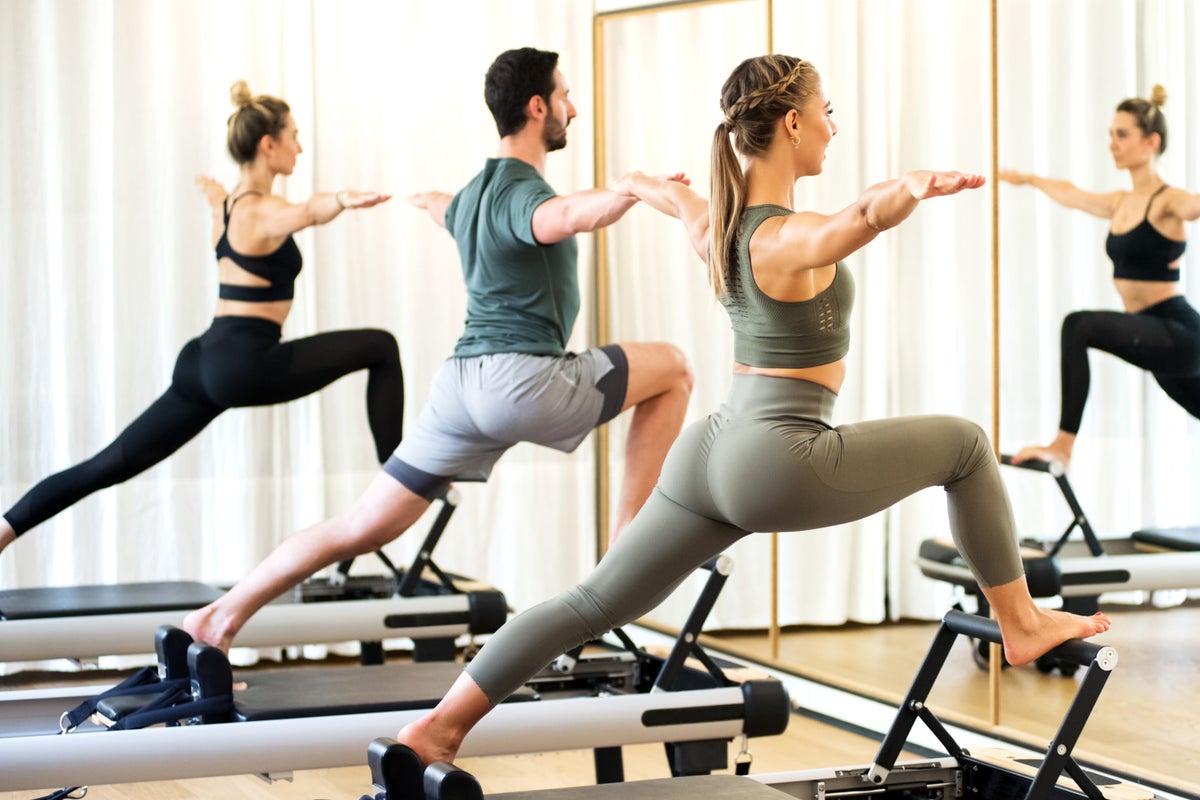
Although rooted in traditional Pilates, Reformer Pilates distinguishes itself by utilizing a specialized machine called the reformer la-pilatesstudio.com/, which consists of a sliding platform, springs, ropes, and pulleys. This apparatus offers adjustable resistance, enabling users to perform controlled movements that engage various muscle groups.
The reformer’s design promotes fluidity and precision, guiding the body through exercises that emphasize alignment and balance. Unlike mat Pilates, which relies solely on body weight, the reformer introduces mechanical assistance and resistance, allowing for a broader range of motion and intensity.
This method appeals to those seeking a structured yet liberating workout, as it supports movement freedom while maintaining control. Consequently, Reformer Pilates presents a dynamic approach to exercise, blending equipment innovation with Pilates principles to enhance physical expression.
Can Reformer Pilates Improve Posture and Core Strength?
Reformer Pilates’ emphasis on controlled, precise movements supported by adjustable resistance directly targets the muscles responsible for maintaining posture and core stability.
By focusing on alignment and balanced muscle engagement, it encourages awareness of body mechanics, which can translate into improved posture over time.
The reformer’s resistance challenges the deep abdominal and back muscles, essential for core strength, helping to build endurance and support for the spine.
This approach contrasts with traditional workouts that often overlook these stabilizing muscles.
While results may vary based on consistency and individual conditions, reformer Pilates offers a structured method to develop foundational strength and postural control.
For those seeking greater physical freedom, this disciplined yet adaptable practice provides tools to move with more ease and confidence daily.
My First Reformer Pilates Experience: Did It Live Up to the Hype?
How does one’s initial encounter with Pilates on the reformer align with the widespread enthusiasm surrounding it? Early impressions often reveal a mix of curiosity and challenge. The experience can feel simultaneously accessible and demanding, prompting reflection on the method’s true impact.
Common reactions include:
- Discovering unexpected muscle engagement beyond the core
- Maneuvering the machine’s mechanics with initial awkwardness
- Appreciating the low-impact yet intense workout style
- Experiencing a sense of controlled freedom in movement
This first session often reshapes expectations, balancing skepticism with recognition of Pilates’ unique approach. It neither fully dazzles nor disappoints but invites further exploration, capturing the essence of a practice that values precision and liberation over quick fixes.
Experts on Reformer Pilates: Benefits and Limitations
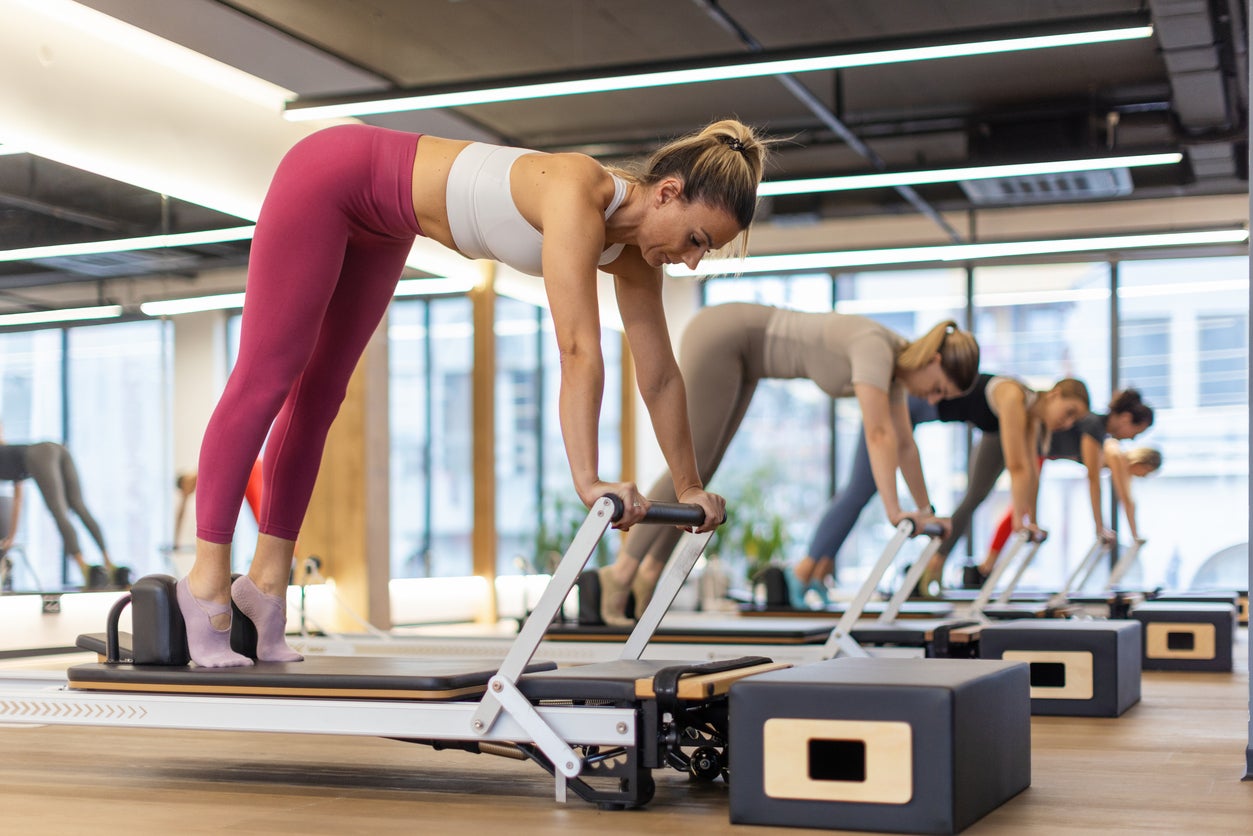
While many fitness methods claim all-encompassing benefits, experts emphasize that Pilates on the reformer offers a distinctive combination of strength, flexibility, and alignment improvements. Specialists highlight its ability to target core muscles effectively while promoting controlled, precise movements that enhance posture and body awareness.
The reformer’s adjustable resistance supports gradual progression, appealing to those seeking mindful physical growth. However, experts also acknowledge limitations: the equipment’s cost and accessibility can restrict consistent practice, and improper instruction may lead to ineffective or even harmful outcomes.
Additionally, while beneficial for many, reformer Pilates may not fully address cardiovascular conditioning or high-impact strength needs. Overall, professionals view it as a valuable, focused tool within a broader fitness approach, emphasizing balanced expectations and informed participation.
Who Should Try Reformer Pilates: And Who Might Skip It
Understanding the strengths and limitations of Pilates on the reformer helps clarify who might benefit most from this practice. It appeals to those seeking controlled movement, improved core strength, and injury rehabilitation. However, it may not suit everyone’s fitness goals or physical conditions.
Those who should consider trying reformer Pilates include:
- Individuals aiming to enhance posture and flexibility
- People recovering from certain injuries under professional guidance
- Those looking for low-impact yet challenging workouts
- Enthusiasts interested in mindful, precise movement
Conversely, individuals with severe osteoporosis, acute injuries, or certain cardiovascular conditions might be better off avoiding reformer Pilates due to potential strain.
Likewise, those preferring high-intensity or free-form exercise may find it too restrictive. Ultimately, personal goals and physical needs dictate suitability.
Conclusion
Reformer Pilates offers a unique approach to strengthening core muscles and improving posture through controlled, low-impact movements. While many find it beneficial for flexibility and body awareness, its effectiveness can vary based on individual needs and consistency. Experts acknowledge its advantages but also note limitations, particularly for those with certain injuries. Ultimately, Reformer Pilates is best suited for individuals seeking a mindful, structured workout, though it may not be ideal for everyone.
About The Author

